
MENU

The American Midwest stands at the heart of the most significant manufacturing transformation in generations. Over the last century, American manufacturing has experienced four major transformative phases: Mass Production, Automation, Lean Manufacturing, and Globalization.
A fifth phase has emerged, and it's reshaping the industrial landscape from Detroit to Milwaukee, from Cleveland to Indianapolis. We call it "Intelligent Manufacturing."
The Intelligent Manufacturing phase will revitalize the American Midwest and dramatically improve productivity across traditional industrial sectors. It fundamentally transforms how products are designed, produced, and delivered through the integration of artificial intelligence, robotics, and digital technologies with physical manufacturing processes.
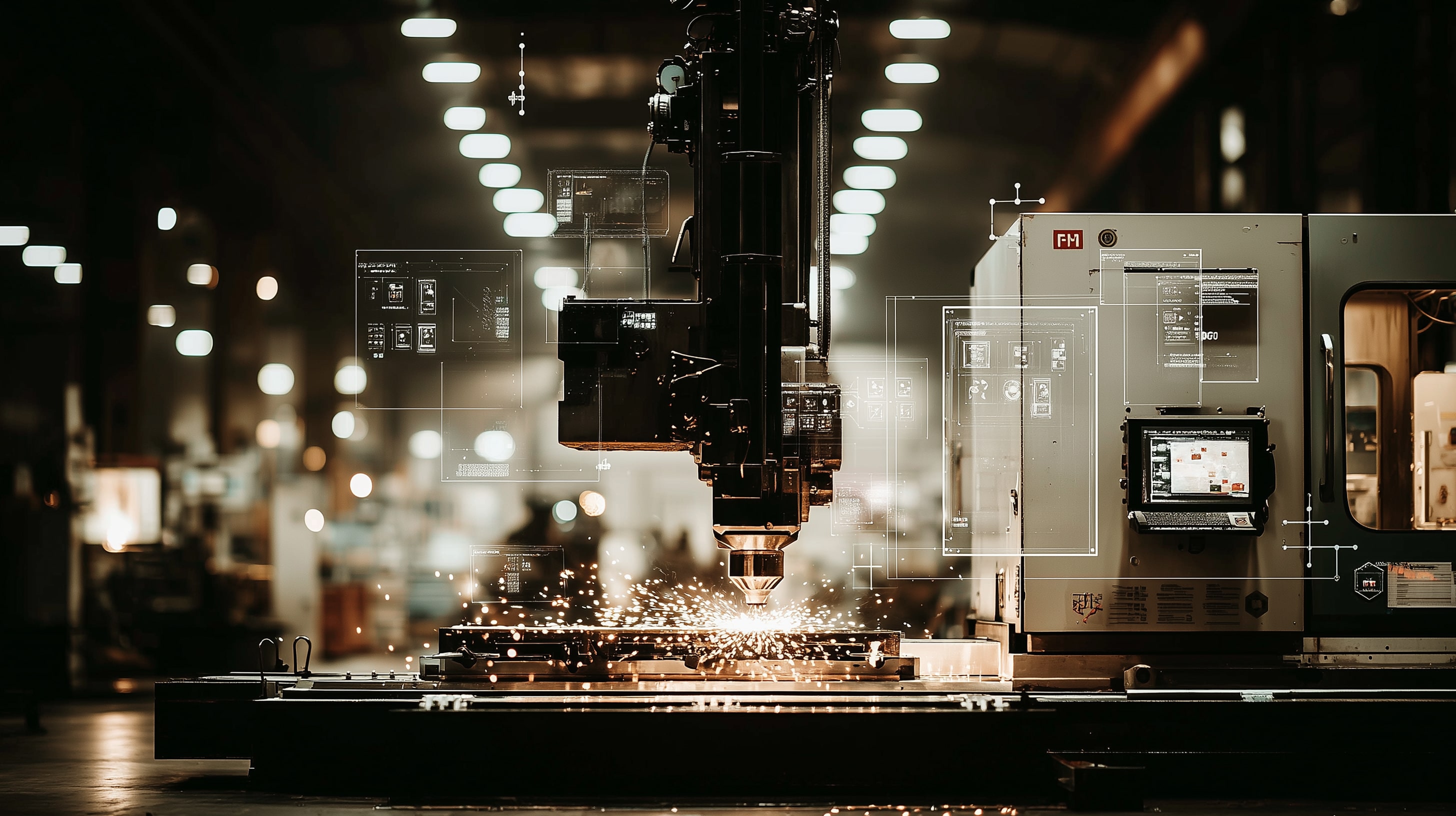
These manufacturing processes have been complicated over the last two decades by global supply chain disruptions, skilled labor shortages, and the exponential growth of manufacturing data. In the past five years alone, the amount of data generated on factory floors has grown exponentially, from sensor networks, quality control systems, and supply chain tracking that require sophisticated AI-powered platforms to help manufacturers optimize operations and respond to market demands in real-time.
The global advanced manufacturing market was valued at $151.54 billion in 2023 and is projected to expand at a CAGR of 24.4%, reaching $535.5 billion by 2030, representing one of the fastest-growing technology sectors globally.¹ The AI in manufacturing market is projected to reach $8.57 billion by 2025, up from $5.94 billion in 2024, reflecting a CAGR of 44.2%.² More dramatically, manufacturers report productivity gains of up to 20% in both production output and workforce efficiency from smart manufacturing investments.²
Companies can now monitor, predict, and optimize every aspect of production using technologies that seemed like science fiction just a decade ago. Examples of manufacturing intelligence that were not previously accessible include real-time equipment performance data from thousands of sensors analyzed by machine learning algorithms; supply chain transparency enabled by AI-powered tracking from raw materials to finished goods; and workforce optimization data that seamlessly integrates human skills with automated capabilities. The Midwest, with its existing manufacturing infrastructure, skilled technical workforce, and lower operational costs, is uniquely positioned to lead this transformation into what many experts consider the early days of a manufacturing renaissance.
1. Future Data Stats. "Advanced Manufacturing Market Size & Industry Growth 2030." https://www.futuredatastats.com/advanced-manufacturing-market
2. Deloitte Insights. "2025 Smart Manufacturing and Operations Survey: Navigating challenges to implementation." May 1, 2025. https://www.deloitte.com/us/en/insights/industry/manufacturing-industrial-products/2025-smart-manufacturing-survey.html


Get updates on Encore’s mission, portfolio, and the future of American industry.