
MENU
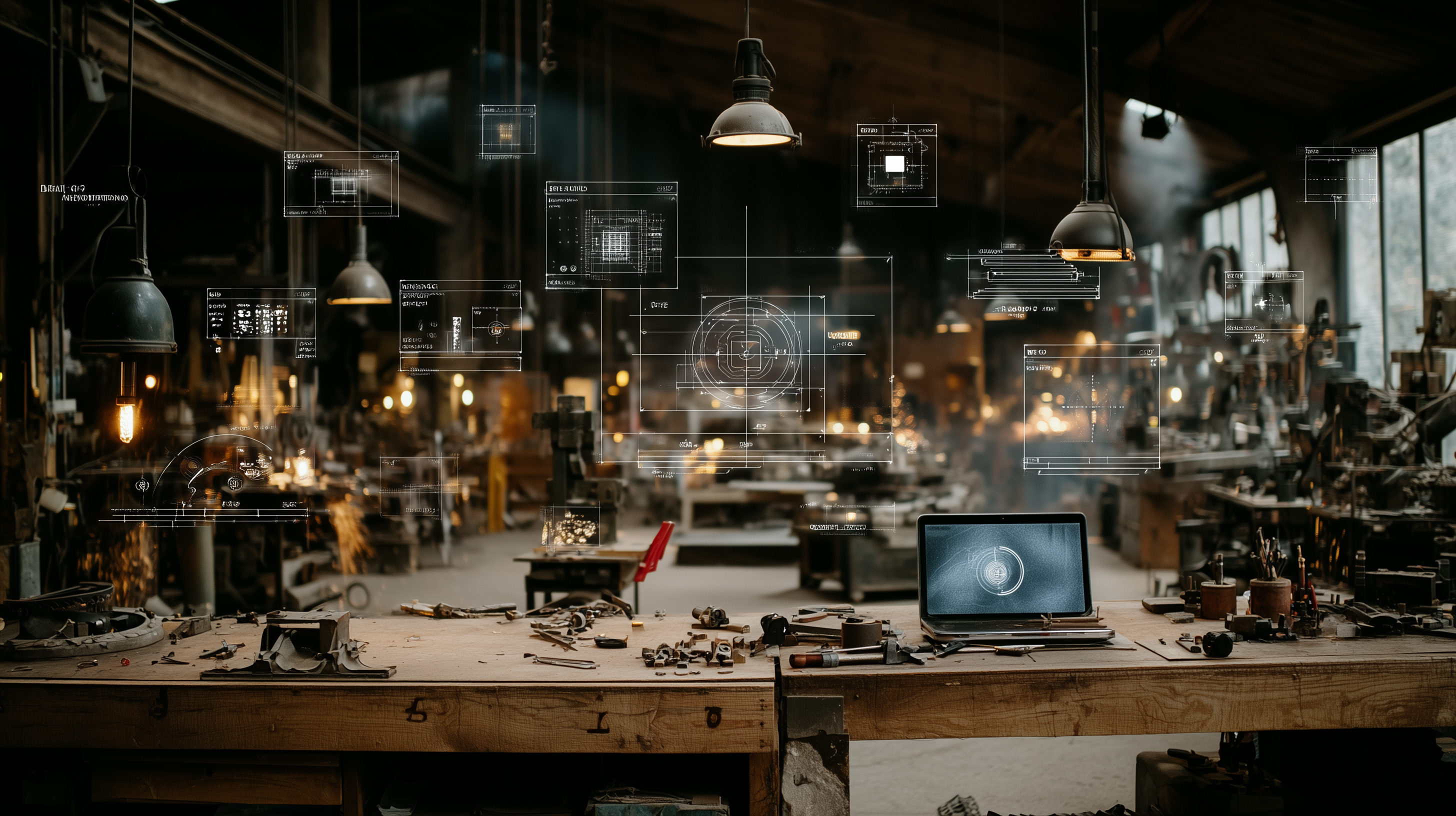
Artificial intelligence has fundamentally transformed what's possible in manufacturing, enabling capabilities that represent a quantum leap beyond traditional automation. This is not merely about faster machines or better software – it's about creating manufacturing systems that can think, learn, and adapt in ways that mirror and exceed human cognitive abilities in specialized domains.
We are witnessing only the earliest stages of AI's transformative impact on manufacturing. While current implementations have already delivered measurable results, the manufacturing processes that will define the next decade are only beginning to emerge.
The convergence of AI with manufacturing is creating entirely new categories of products and production capabilities that were previously impossible to achieve.
Two areas stand out as particularly transformative: Physical AI systems that merge digital intelligence with real-world manufacturing operations, and Digital Twins that create virtual replicas enabling unprecedented optimization of physical processes.
Physical AI: The Convergence of Digital Intelligence and Physical Reality
Physical AI links the digital and physical worlds to enhance operational flexibility, representing a new paradigm where AI systems don't just process information but actively manipulate and control physical manufacturing processes. Breakthroughs in reinforcement learning have enabled physical robots to make decisions and to perform intricate physical tasks, from precision assembly of microelectronics to complex welding operations that previously required decades of human experience.
Modern AI-powered manufacturing systems can now:
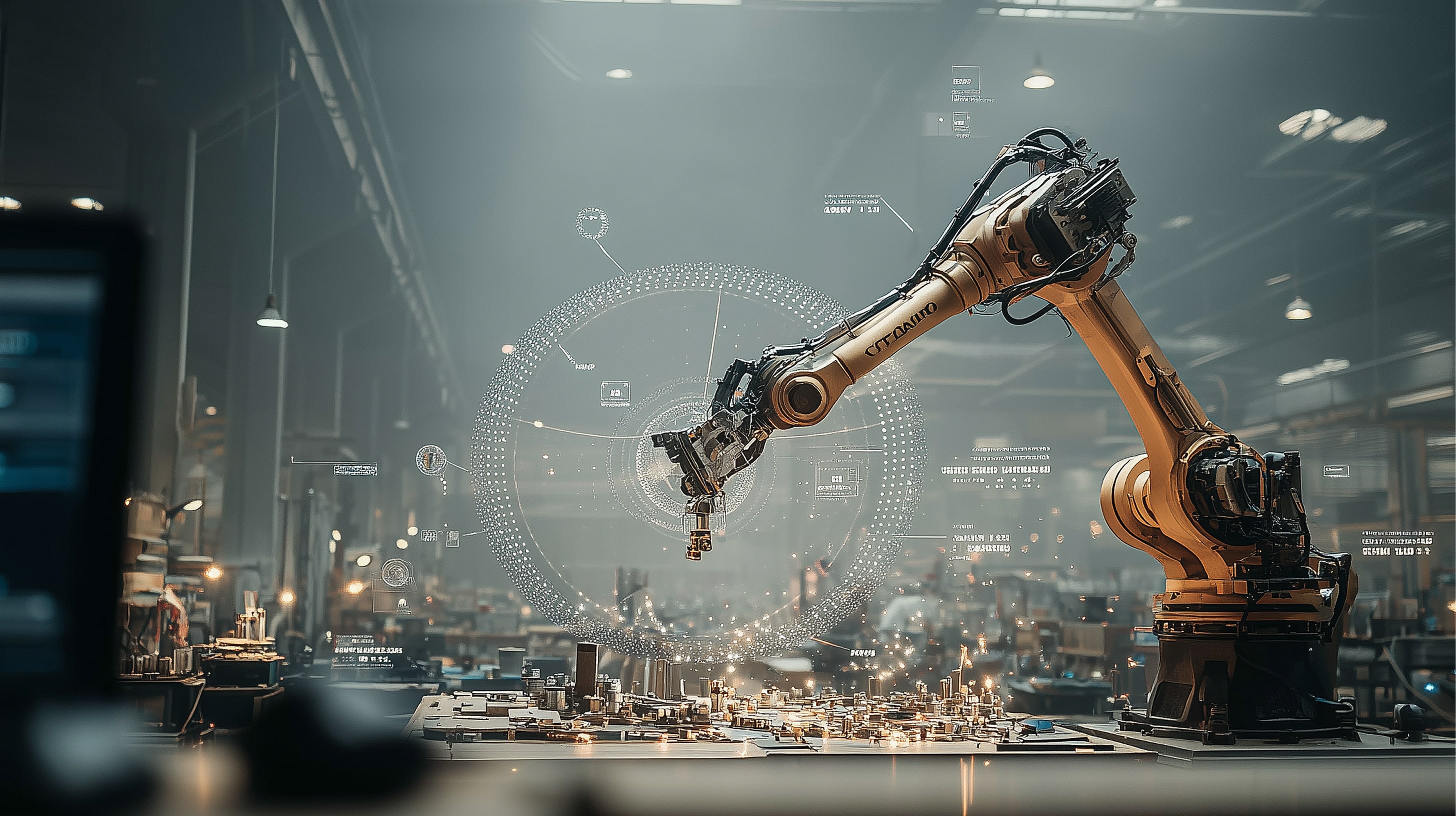
Digital twins - virtual replicas of physical assets - can reduce downtime by up to 50% and increase productivity by 20-30%.⁵ These sophisticated simulations enable companies to test, optimize, and predict the behavior of complex manufacturing systems before implementing changes in the physical world.
The manufacturing sector has experienced multi-year productivity gains, with manufacturing productivity increasing substantially from 2020 to 2025, representing sustained improvement in manufacturing efficiency.⁶ This productivity surge is directly attributable to the adoption of AI and intelligent manufacturing technologies.
98% of manufacturers in major global economic regions have started their digital transformation⁷, yet we are still in the earliest stages of realizing AI's full potential in manufacturing.
2. Deloitte Insights. "2025 Smart Manufacturing and Operations Survey: Navigating challenges to implementation." May 1, 2025. https://www.deloitte.com/us/en/insights/industry/manufacturing-industrial-products/2025-smart-manufacturing-survey.html
4. Gartner. "Gartner Identifies the Top 10 Strategic Technology Trends for 2025." https://www.gartner.com/en/newsroom/press-releases/2024-10-21-gartner-identifies-the-top-10-strategic-technology-trends-for-2025
5. AlphaSense. "5 Manufacturing Trends to Watch in 2025." https://www.alpha-sense.com/blog/trends/manufacturing-trends-outlook/
6. U.S. Bureau of Labor Statistics. "Productivity and Costs, Second Quarter 2025, Revised." https://www.bls.gov/news.release/pdf/prod2.pdf
7. Deloitte Insights. "2025 Manufacturing Industry Outlook." June 11, 2025. https://www.deloitte.com/us/en/insights/industry/manufacturing-industrial-products/manufacturing-industry-outlook.html


Get updates on Encore’s mission, portfolio, and the future of American industry.