
MENU
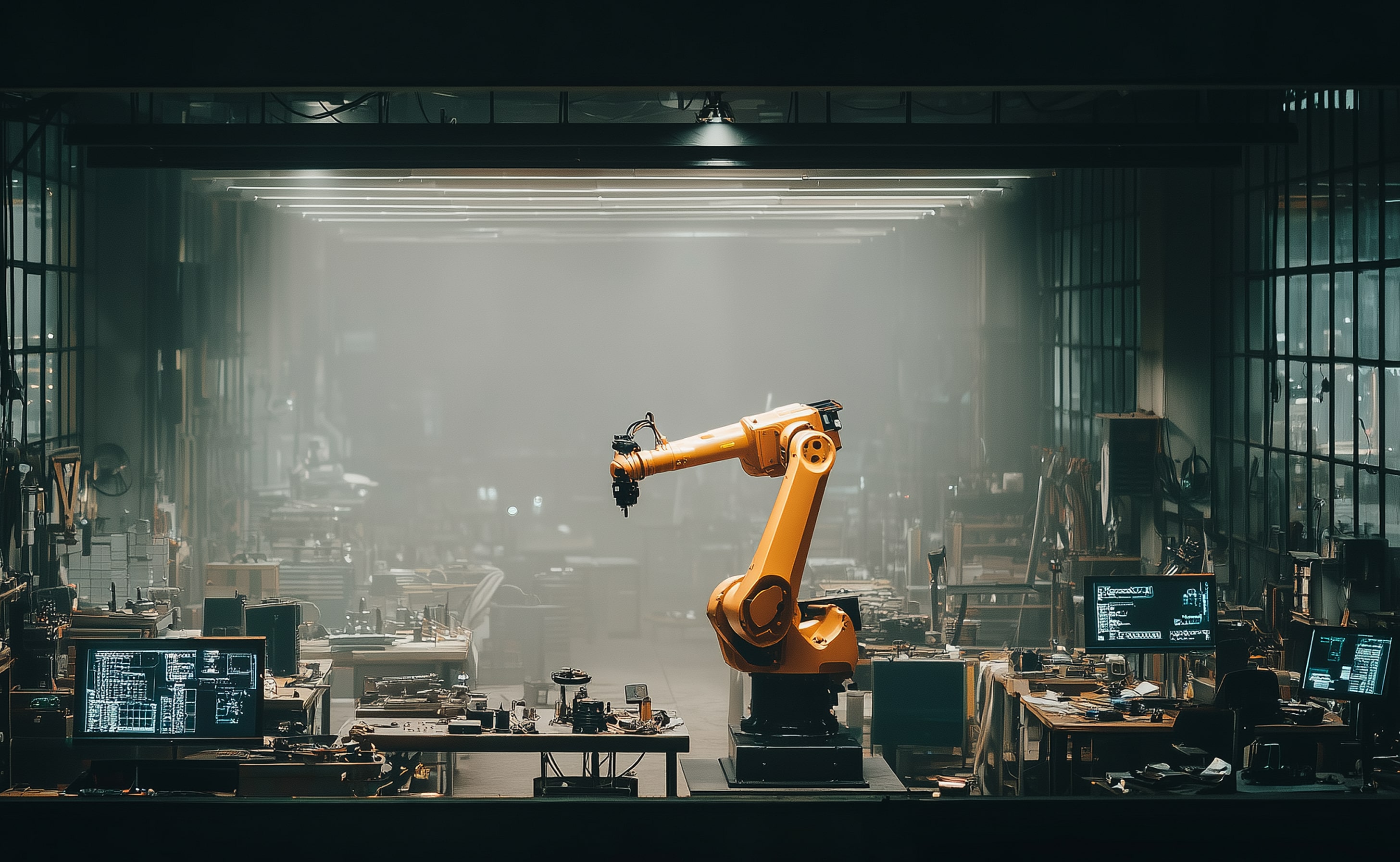
Companies like General Electric, Ford, and Caterpillar led previous manufacturing phases by perfecting assembly line production and bringing basic automation to industrial processes. Traditional manufacturing focused on efficiency through standardization, scale, and cost reduction; think of the "any color as long as it's black" approach that defined mass production. Large, capital-intensive facilities optimized the production line for volume and consistency, emphasizing predictable processes like stamping, welding, and assembly.
Although revolutionary in its time, innovation in traditional manufacturing grew constrained by its own success. Existing factory infrastructure became ill-equipped to address the dynamic market demands and customization requirements that modern industries face, making it difficult and expensive to reconfigure production lines for new products or variations. Rigid manufacturing systems require extensive retooling, lengthy changeover times, and specialized technicians to maintain legacy equipment.
In the Intelligent Manufacturing space, companies are revolutionizing and replacing decades-old production infrastructure with intelligent, adaptive systems powered by artificial intelligence and advanced robotics.
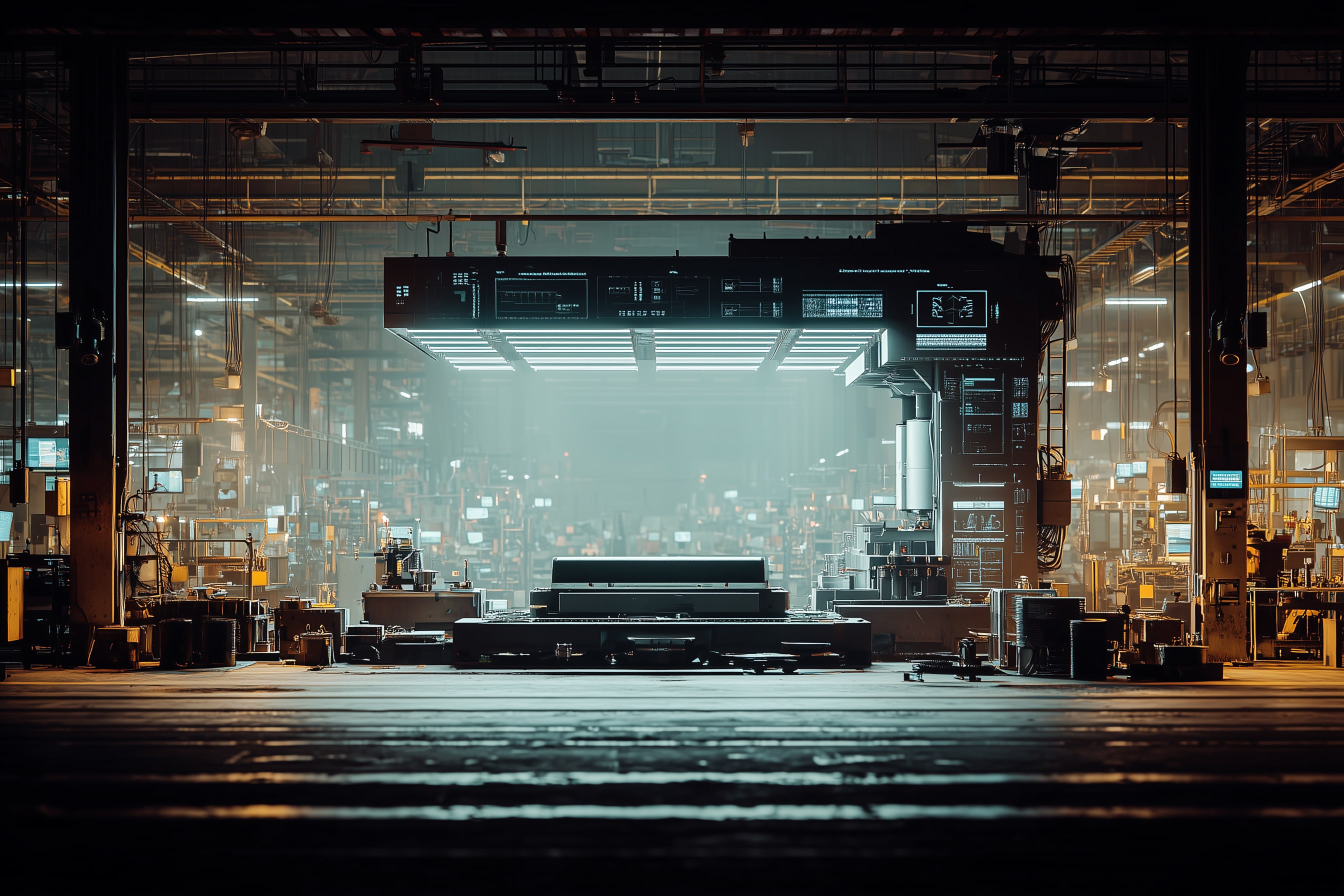
To accomplish this, engineers are solving complex integration challenges involved in connecting physical manufacturing processes with AI-driven intelligence platforms that operators can intuitively control and optimize.
Valuable production data resides in diverse sources: machine sensors, quality control databases, supply chain systems, and worker feedback platforms scattered across factory floors. By unlocking the patterns in and actionability of this data through machine learning and advanced analytics, manufacturers can solve problems and capture opportunities that traditional systems could never address.
For example, aerospace manufacturers can complete complex tasks—like producing customized aircraft components or optimizing multi-tier supply chains—that require real-time coordination across networks of suppliers, intelligent machines, and AI-powered quality control systems. 85% of logistics professionals predicted they'll adopt AI/ML for supply chain management within five years, with 40% citing its potential to increase competitive advantage.³
3. NetSuite. "16 Applications of Machine Learning in Manufacturing in 2025." July 2, 2025.


Get updates on Encore’s mission, portfolio, and the future of American industry.